
Imagine you have a giant toolbox filled with hundreds of different tools. Some are for fixing pipes, some are for building furniture, and some are for electronics. If you use a hammer to fix a computer screen, you will cause a disaster. To do a good job, you need to know exactly which tool fits the specific problem you are facing.
In the world of business and management, we have many “tools” called Systems Thinking methods. For years, famous thinkers created different ways to solve problems:
- Russell Ackoff taught us how to handle “messes” (groups of problems that are all tangled together).
- Peter Checkland taught us “Soft Systems” (using drawings and conversations to understand how people feel).
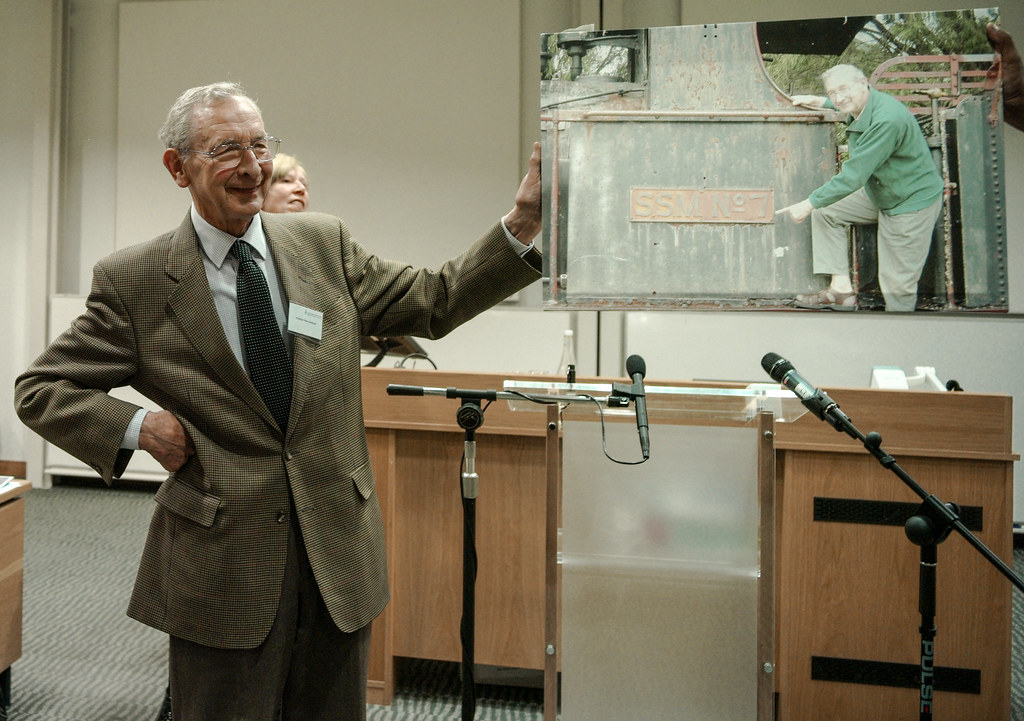
But managers were confused. How do they know which method to pick? Michael Jackson, a world-renowned professor, solved this by creating Total Systems Intervention (TSI).
What is TSI?
TSI is a framework that acts like a “manual” for your management toolbox. Instead of telling you how to fix a problem, TSI helps you choose the best method to fix it.
Michael Jackson believed in “Complementarism.” This is the idea that no single method is perfect for every situation. A good manager should be able to use many different methods depending on what is happening in their organization. TSI is the map that shows you the way.
The SOSM Grid: The Map of Any Problem
To help you choose the right tool, Jackson created a famous chart called the System of Systems Methodologies (SOSM). This grid categorizes every problem based on two simple questions:
1. How complex is the system?
- Simple: The problem is easy to see and has clear rules (like an assembly line).
- Complex: The problem is unpredictable and has many moving parts (like a whole city’s economy).
2. How well do the people get along?
- Unitary: Everyone has the same goal.
- Pluralist: People have different ideas but are willing to talk and compromise.
- Coercive: People are in conflict or some are using power to force others to follow.
By looking at this grid, you can find the right tool. If a problem is Complex and Coercive, you might use Werner Ulrich’s “Boundary Critique” to challenge the people in power. If it is Simple and Unitary, you might use basic math and engineering.
The Three Phases of TSI
When you use TSI to solve a problem in the real world, you follow three specific steps:
Phase 1: Creativity
Before picking a tool, you must look at the organization from different angles. Jackson used metaphors for this. You ask yourself: “Is my company acting like a broken machine? Is it acting like a living organism? Or is it acting like a battlefield?” This helps you see the “true” problem.
Phase 2: Choice
Once you understand the problem, you use the SOSM grid mentioned above. You identify the complexity and the relationships between people. This tells you which systems method (like Ackoff’s or Checkland’s) is the best fit.
Phase 3: Implementation
Now, you actually do the work. You take the chosen method and use its specific steps to make changes. This might mean redesigning a department or holding meetings to resolve a conflict.
“Total Systems Intervention is about being flexible. It teaches us that the best managers are those who can change their way of thinking to match the complexity of the world.” — Michael Jackson
Conclusion
Michael Jackson’s TSI framework is the ultimate guide for modern leaders. It moves us away from “one-size-fits-all” solutions. By using the SOSM grid and the three phases of TSI, managers can look at a messy situation and clearly decide which tool will actually work. It ensures that we aren’t just working hard, but working smart by using the right logic for the right problem.